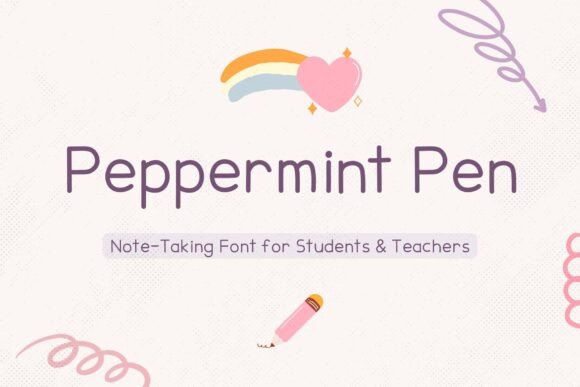
Peppermint Pen: A Handwritten Font for Engaging Web Design
As a web designer, I'm always on the lookout for that perfect font to bring a project to life. Recently, I stumbled upon Peppermint Pen, a charming handwritten font, and decided to give it a spin in a real website project. The goal was to create a more personal and engaging experience for a boutique online store.
First Impressions with Peppermint Pen
The first thing I noticed about Peppermint Pen is its smooth, natural strokes. It has an effortless charm that makes it ideal for adding a personal touch to any digital layout. I started by testing it in the hero section of the homepage, where it would be the first thing visitors see. The result? A welcoming and inviting feel that immediately set the tone for the brand.
Using Peppermint Pen in Website Headers and Hero Sections
In the hero section, Peppermint Pen worked beautifully. The font's fluid lines and casual elegance made the headline stand out without overwhelming the user. I also experimented with using it in the main navigation, but found that it was better suited for decorative accents rather than functional text. For the navigation, I paired it with a clean sans serif font to maintain readability and a professional look.
Readability and Visual Hierarchy
One of the key considerations when using a handwritten font like Peppermint Pen is readability. While it adds a lot of character, it's important to use it judiciously. I found that it worked best for short, impactful phrases and headings. For longer text, such as product descriptions or blog posts, a more legible font like a serif or sans serif is preferable.
- Hero Titles: Perfect for creating a memorable first impression.
- Section Headings: Adds a personal touch to different sections of the site.
- Buttons and CTAs: Use sparingly to highlight key actions.
- Logo Text: Ideal for a unique, handcrafted feel.
- Decorative Accents: Enhances visual elements and branding.
Responsive Design and Mobile Readability
With the rise of mobile browsing, it's crucial to ensure that fonts are readable on smaller screens. I tested Peppermint Pen on various devices and found that it maintained its charm and legibility. However, for very small buttons or text, I opted for a simpler font to ensure clarity and ease of use.
Font Pairing and Brand Consistency
To create a cohesive and polished brand identity, I paired Peppermint Pen with a simple sans serif font for body copy. This combination provided a good balance between personality and professionalism. For a more editorial feel, I also experimented with a serif font, which added a touch of sophistication to the overall design.
Practical Tips for Using Peppermint Pen
Before integrating Peppermint Pen into your web design, here are some practical tips:
- Check Included Styles: Explore the different styles and weights available to find the best fit for your project.
- Webfont Availability: Ensure the font is available in webfont formats (WOFF, WOFF2) for optimal performance.
- File Formats: Verify that the font comes in all necessary file formats (TTF, OTF, EOT) for cross-platform compatibility.
- Multilingual Support: If your audience includes non-English speakers, check for multilingual support.
- Commercial Licensing: Make sure you have the appropriate license for commercial use, especially if you're designing for clients or online stores.
Conclusion
Peppermint Pen is a versatile and visually appealing handwritten font that can add a personal and engaging touch to your web designs. By using it thoughtfully and pairing it with complementary fonts, you can create a more polished and consistent brand experience. Whether you're designing a creative portfolio, a boutique online store, or a coaching website, Peppermint Pen is a great choice to make your digital presence stand out.